
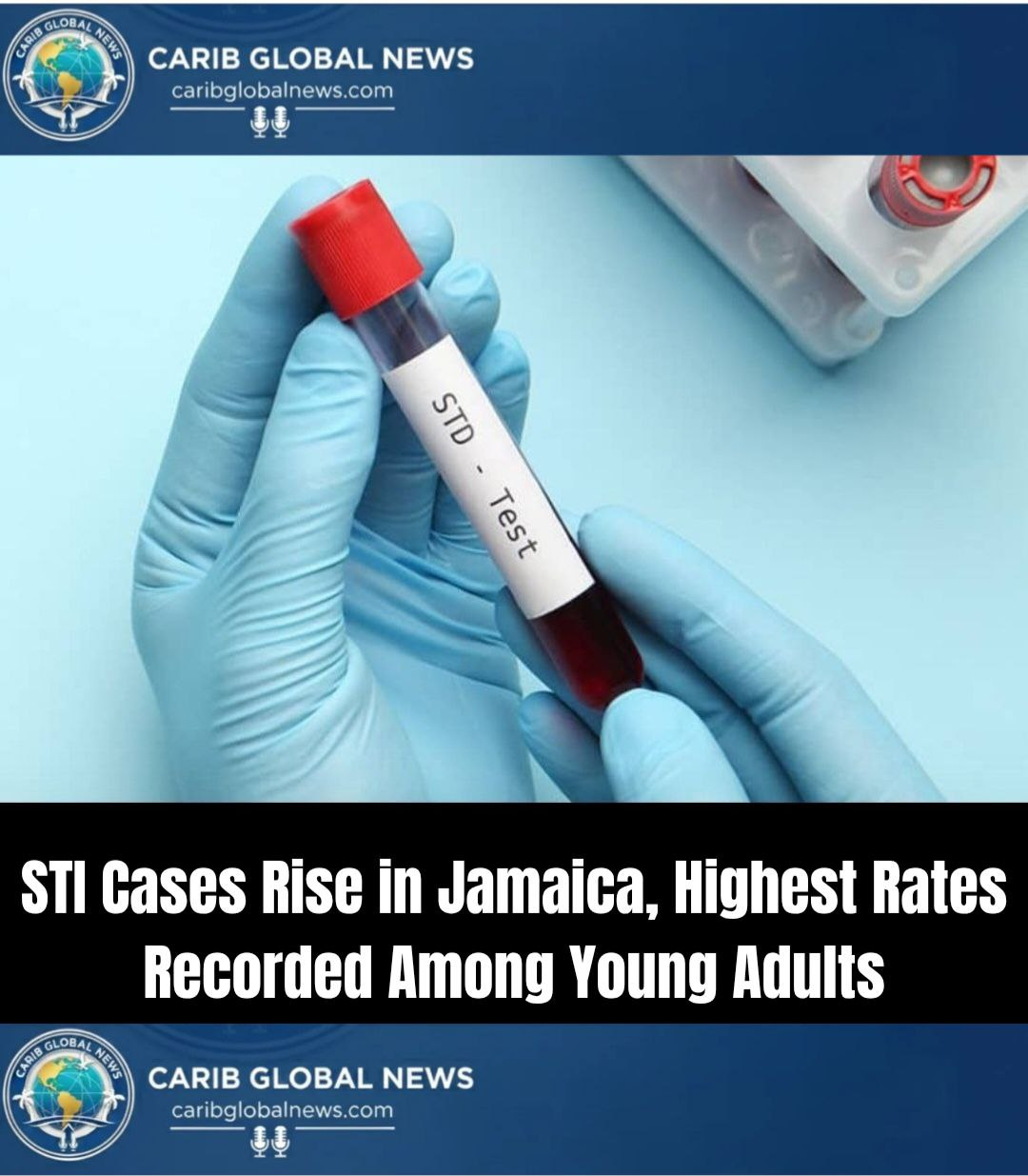
Health Ministry Confirms Significant Rise in STI Cases
Jamaica is experiencing a sharp increase in sexually transmitted infections (STIs), with the highest rates recorded among young adults, according to new data released by public health authorities. Officials say the surge is being driven by inconsistent condom use, multiple sexual partnerships, and declining participation in routine health screenings.
Get the best trading experience.
Preliminary figures indicate that individuals between 18 and 29 account for the bulk of new infections, with chlamydia, gonorrhoea, and syphilis showing the fastest growth. HIV infections have also edged upward, particularly among high-risk populations.
Health Officials Call Situation “Concerning but Preventable”
The Ministry of Health & Wellness has expressed concern and is urging citizens to prioritize testing and safer sexual practices.
“We are seeing worrying trends, especially among young adults who may underestimate the risks,” a senior epidemiologist said. “STIs are preventable, and early treatment can stop long-term complications. We strongly encourage regular testing, especially for sexually active individuals.”
Clinics across Kingston, St. Andrew, St. Catherine, and St. James have reported higher patient volumes over the past six months, prompting expanded screening hours at several facilities.
Changing Behaviours and Social Trends Blamed
Experts say shifting social behaviours including increased casual relationships, reduced condom use, and the influence of social media culture have contributed to the spike.
A public health nurse in St. Catherine noted that many young people show up with advanced symptoms.
“Many of them wait too long before seeking help,” she said. “By the time they come in, complications have already begun.”
University health centres and community clinics have also expressed concern about a growing number of asymptomatic carriers, especially for infections like chlamydia, which can spread easily without noticeable signs.
Public Health Campaigns Being Expanded
In response to the surge, the Ministry is ramping up outreach through social media campaigns, school partnerships, and mobile clinics targeting high-traffic communities. The government also plans to increase distribution of free condoms and expand its sexual-health education initiatives.
Non-governmental organizations have joined the effort, stressing the importance of open conversations about sexual health.
“Young people need non-judgmental spaces to ask questions and access care,” an advocate from a youth health network said. “Stigma pushes many away from clinics, which only worsens the problem.”
Medical Risks and Long-Term Effects
Doctors warn that untreated STIs can lead to infertility, pelvic inflammatory disease, pregnancy complications, and increased risk of HIV transmission.
Health experts are also monitoring antibiotic-resistant strains of gonorrhoea, which have been increasing globally. Jamaican laboratories are participating in ongoing surveillance to detect any resistance trends locally.
Call for Increased Testing
Authorities are urging sexually active Jamaicans especially young adults to get tested every six months, or more frequently if they have multiple partners.
“Knowing your status is the most responsible thing you can do for yourself and your partner,” the Ministry statement said.
Further updates are expected as the Ministry continues to analyze national data and implement targeted interventions.