

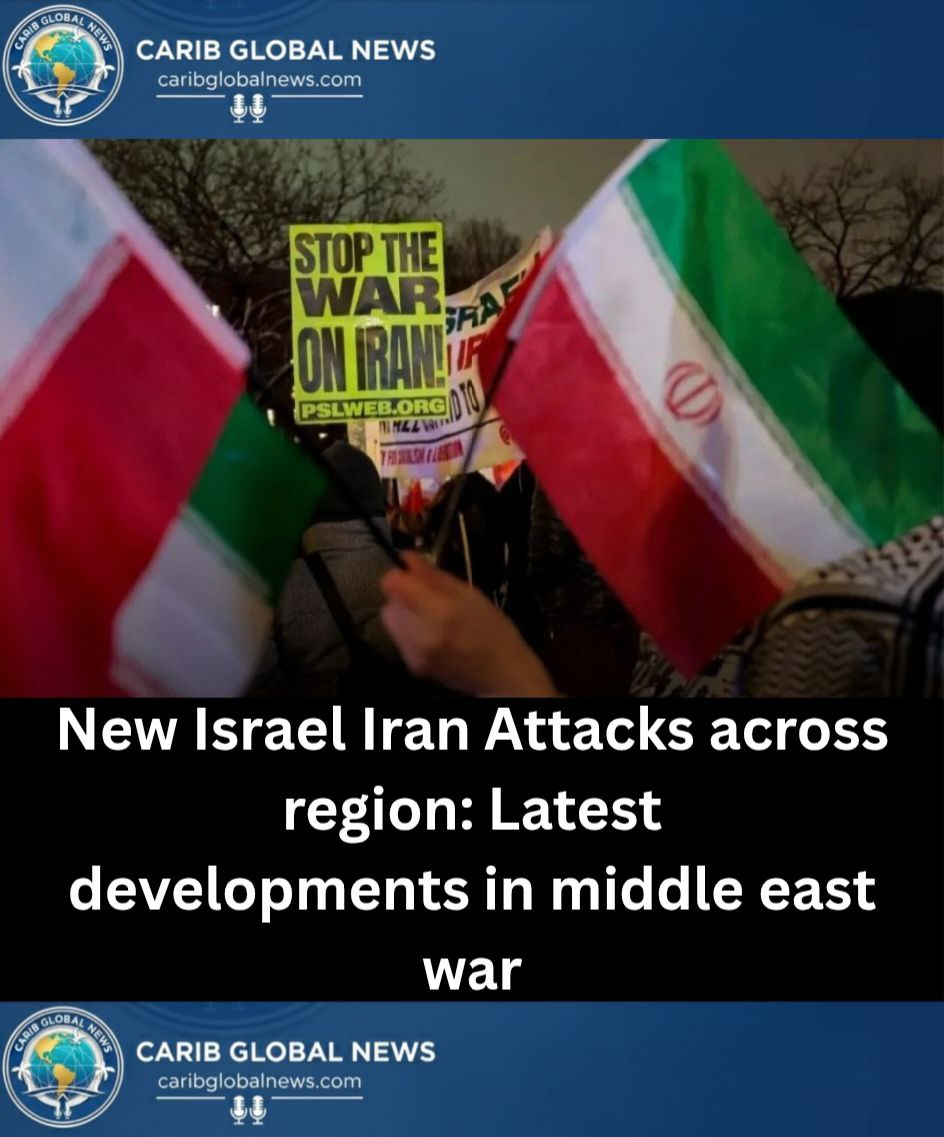
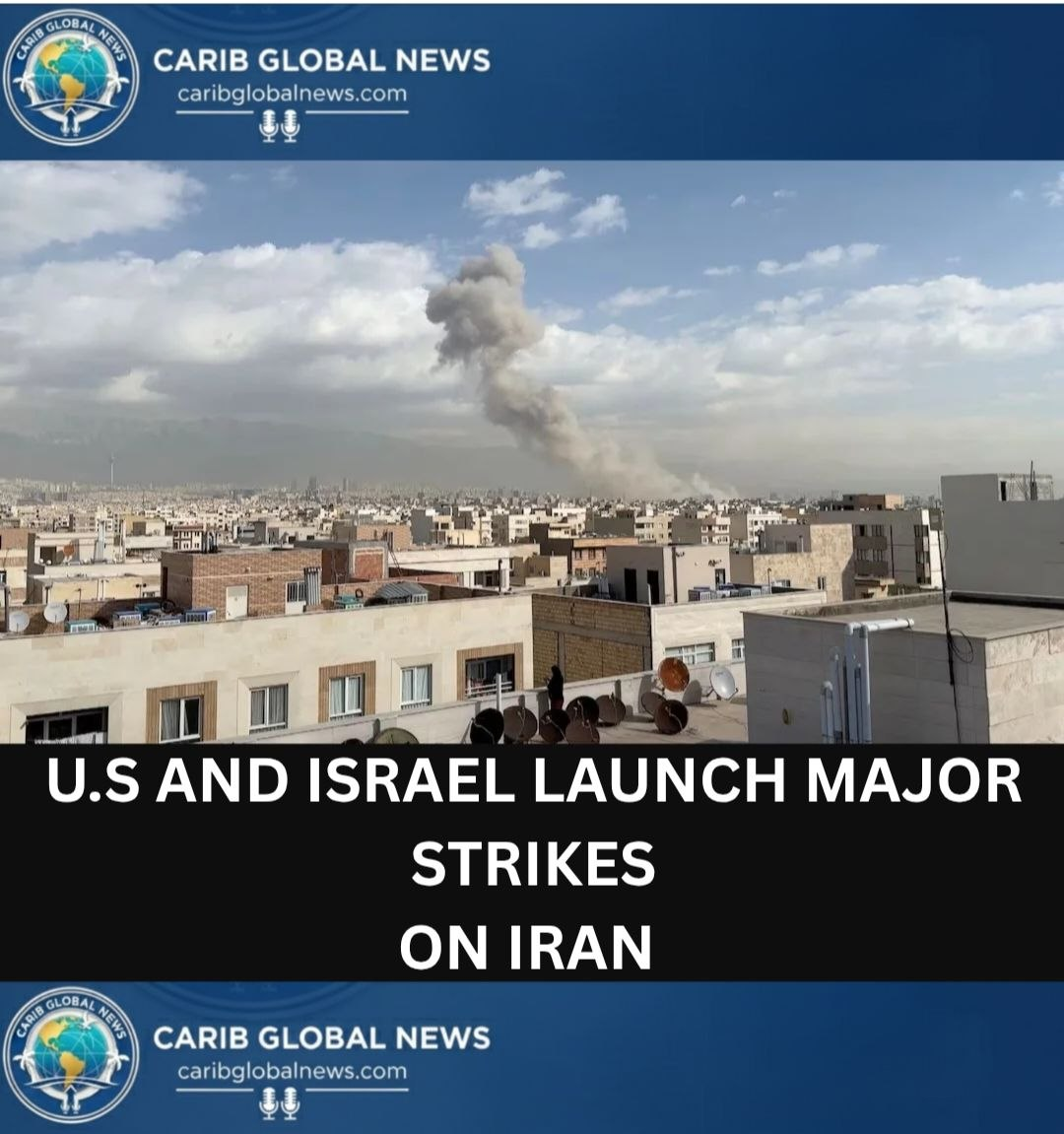
The Middle East war involving Israel, the United States and Iran has intensified dramatically, with new military actions reported across multiple fronts following joint US-Israeli strikes on Iranian targets late last month. The conflict, now entering its fourth day, shows no signs of abating and has broadened well beyond the initial theatres of combat.
Israel Extends Bombardment in Lebanon and Iran
Israeli forces have stepped up airstrikes not only inside Iran but also across southern Lebanon after launches by Iran’s ally, Hezbollah. Lebanese health authorities reported dozens of casualties in Beirut and surrounding areas as Israel targeted Hezbollah infrastructure and positions — a development that represents a significant intensification of hostilities on a new front.

Iran’s Retaliatory Strikes Hit Multiple Countries
In response to the US-Israel offensive, Iran has launched missile and drone strikes across a wide area of the Middle East, targeting both military and strategic civilian sites. Attacks have been reported in:
- Saudi Arabia — strikes and drone flights over Riyadh and energy infrastructure, prompting diplomatic protests.
- Qatar — missiles and drones struck infrastructure, with at least 16 civilians reported injured.
- Bahrain — missiles targeted the US Fifth Fleet headquarters and nearby oil infrastructure, with one worker killed by falling debris.
- United Arab Emirates — air defences intercepted hundreds of missiles and drones; airports and residential areas suffered damage from debris.
- Iraq and Jordan — explosions reported near US and allied positions, with rocket intercepts and scattered casualties.
These attacks underscore how the war has spilled beyond Israel and Iran to impact several Gulf states and adjacent regional partners.

Impact on Civilians and Infrastructure
The expanding conflict has inflicted growing human and material costs. Official health figures from Iran’s Red Crescent Society report hundreds of civilian deaths inside Iran alone, and strikes in Lebanon have also produced significant casualties and injuries.
Strategic infrastructure has also been hit, including oil facilities, airports, and data centres — resulting in broader regional disruptions in travel, supply chains, and energy markets.
International Diplomatic Strains
Governments across the globe have reacted with concern, summoning envoys and condemning attacks on sovereign territory. Saudi Arabia has protested Iranian strikes on its soil, while calls for de-escalation have come from China and others urging stability in critical shipping lanes such as the Strait of Hormuz.
Meanwhile, key global powers including Russia have condemned the U.S. and Israeli offensive as “unprovoked aggression,” urging restraint and mediation to forestall wider conflict.
Regional Dynamics and Future Risks
The involvement of Hezbollah, continued Iranian missile and drone deployments, and the targeting of U.S. military bases across the Gulf underscore the growing danger of a broader Middle East conflagration. With strategic rivalries deepening, analysts warn the conflict could become protracted, drawing in additional state and non-state actors.

What Comes Next
As the crisis unfolds, global authorities are monitoring developments closely. Many nations have issued travel advisories, and corporations have begun contingency planning amid airspace closures and service disruptions.
Efforts at diplomatic engagement — including emergency UN Security Council consultations — continue amid mounting international pressure to halt hostilities and pursue negotiated solutions.
This is a developing story.


Leave a Reply