

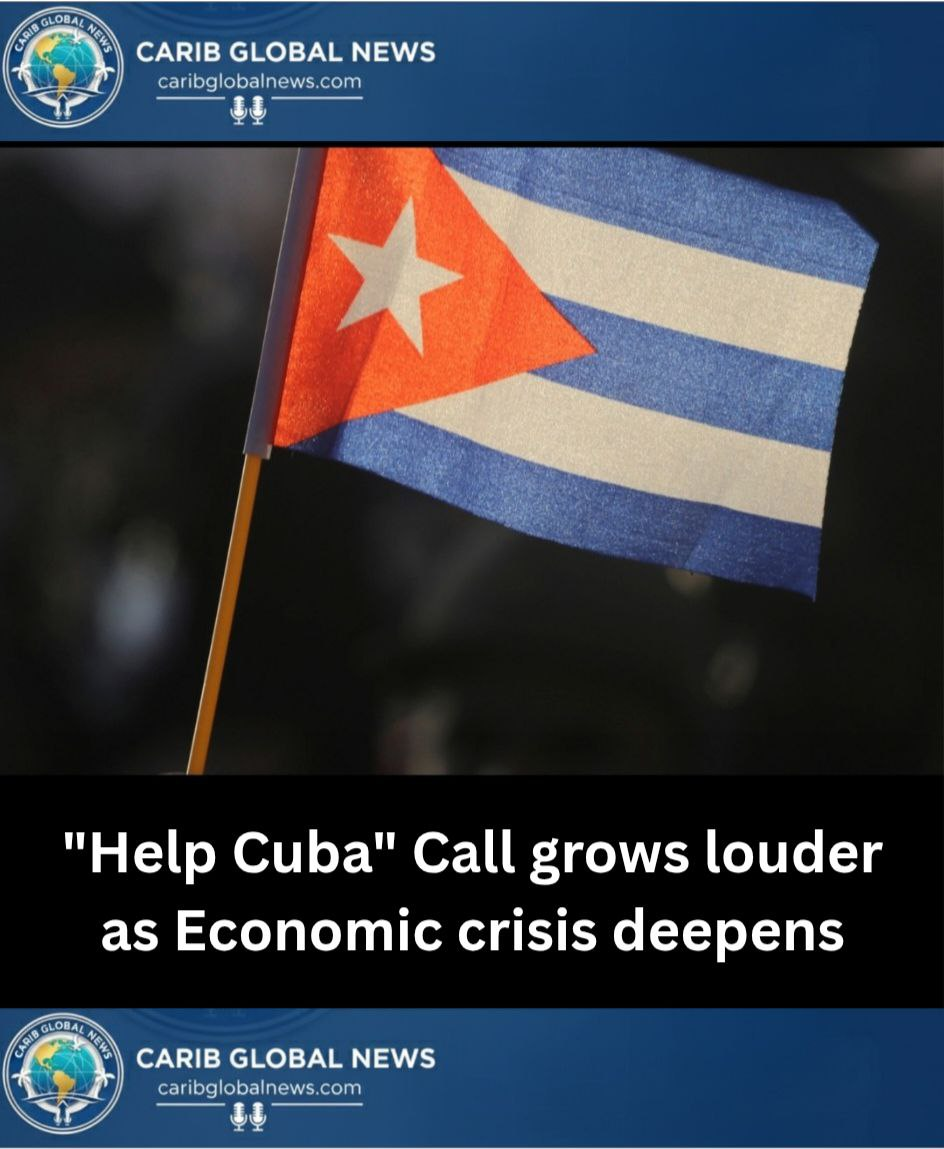
Calls to “Help Cuba” are gaining momentum across the Caribbean and among diaspora communities as the island continues to grapple with severe economic hardship, energy shortages, and supply chain disruptions.
Regional advocates and humanitarian groups say urgent support is needed to address food insecurity, fuel shortages, and strained public services affecting millions of Cubans.
Cuba, a Caribbean nation of approximately 11 million people, has faced compounding economic pressures in recent years. These include reduced tourism revenue, global inflation, and long-standing trade restrictions.

Power Outages and Supply Shortages
Rolling blackouts have become increasingly common in parts of the island, as authorities struggle to maintain consistent electricity generation. Fuel constraints and aging infrastructure have contributed to frequent outages.
Food shortages have also been widely reported, with long lines forming outside state-run shops. Basic goods, including cooking oil and certain medicines, have at times been difficult to obtain.
The Cuban government has acknowledged the challenges, citing limited foreign exchange earnings and global economic pressures as key contributing factors.
Impact of U.S. Sanctions
The United States’ trade embargo on Cuba remains a major point of contention in international discussions. The policy, administered in part through the U.S. Department of the Treasury’s Office of Foreign Assets Control, restricts most trade and financial transactions between the two countries.
Officials in Cuba argue that sanctions significantly limit access to international banking systems and restrict the importation of goods.
The U.S. government maintains that sanctions are intended to promote political and economic reforms. However, critics — including several Caribbean governments — contend that the restrictions have exacerbated humanitarian conditions.
At the United Nations General Assembly, member states have repeatedly voted in favour of resolutions calling for an end to the embargo, though such resolutions are non-binding.

Regional and Diaspora Response
Caribbean leaders have increasingly expressed solidarity with Cuba, emphasising the island’s historical role in regional health and education support.
Cuba has long dispatched medical brigades to Caribbean and global nations, providing doctors and nurses in times of crisis. During the COVID-19 pandemic, Cuban medical teams were deployed to several countries facing shortages.
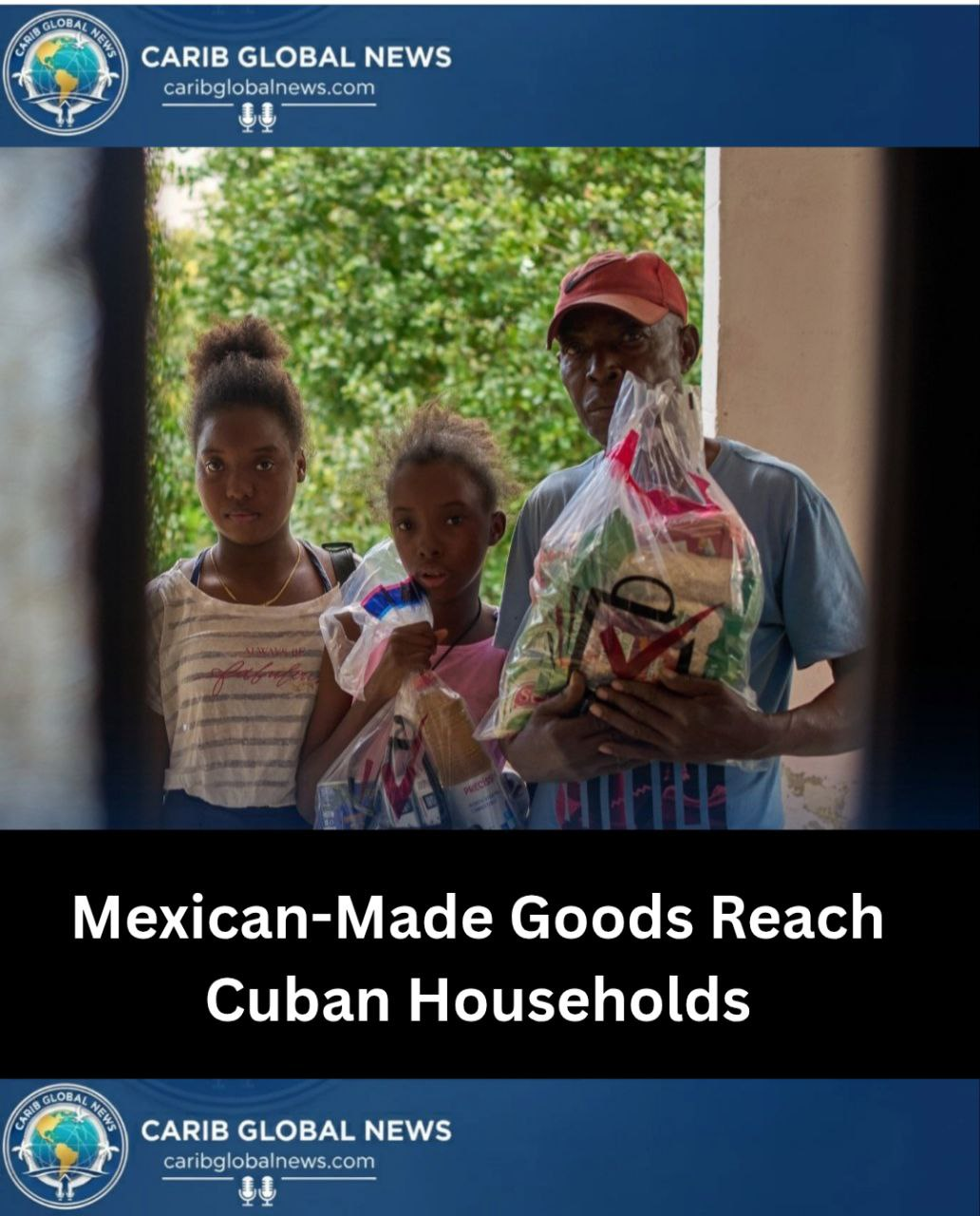
Diaspora groups in the United States, Canada, and Europe have also organised donation drives aimed at sending food, medicine, and essential supplies to family members and vulnerable communities on the island.
“We are seeing families struggling to meet basic needs,” one Caribbean diaspora organiser said. “Humanitarian support is critical at this time.”

Tourism and Economic Recovery Efforts
Tourism, once a key driver of Cuba’s economy, has been slow to fully rebound. Before the pandemic, millions of visitors travelled annually to destinations such as Havana and Varadero. Reduced travel flows and limited international connectivity have impacted foreign currency earnings.
Cuban authorities have announced efforts to attract new investment and expand private sector activity, including small and medium-sized enterprises. Economic reforms have been introduced to modernise parts of the system, though challenges remain.
Global Context
Cuba’s economic strain reflects broader global pressures affecting developing economies, including inflation, supply chain disruptions, and energy volatility.
International financial institutions have noted that small island and developing states remain particularly vulnerable to external shocks.
Humanitarian advocates stress that geopolitical tensions should not prevent access to essential goods.
“Regardless of politics, ordinary people should not suffer,” one regional policy analyst said.
What Comes Next?
As the “Help Cuba” call gains traction, regional governments and advocacy groups are expected to continue pushing for humanitarian relief channels and expanded international dialogue.
Observers say sustained diplomatic engagement and targeted assistance could help alleviate some of the immediate pressures facing the island.
This is a developing story.


Leave a Reply